


How to Reset Your Nervous System: Lower Cortisol, Calm Stress, and Improve Vagal Tone

Recently, I’ve been running more cortisol tests on patients, and levels are consistently coming back elevated. Many patients’ nervous systems are persistently activated in a chronic “fight-or-flight” state. While short bursts of stress are a normal and adaptive evolutionary response, prolonged sympathetic dominance can contribute to anxiety, sleep disruption, digestive dysfunction, and an overall diminished quality of life.
To understand why this happens, it helps to review the basics of nervous system regulation. The autonomic nervous system operates through a dynamic balance between two primary branches. The sympathetic nervous system (SNS) is responsible for acute stress responses and bursts of energy and alertness—often described as “fight or flight,” such as running from a bear. The parasympathetic nervous system (PNS) governs “rest and digest” functions, physiologic restoration, and recovery.
Chronic stress skews this balance toward sustained sympathetic activation, often at the expense of parasympathetic capacity. Over time, this imbalance places significant strain on the body. Cultivating parasympathetic activation—and specifically improving vagal tone—helps downregulate stress responses and supports systemic integrity.
The vagus nerve plays a central role in this process. It is the primary communication highway between the brain and the body and the longest and most influential nerve of the parasympathetic nervous system. Through its extensive innervation of the heart, lungs, and digestive tract, the vagus nerve directly influences stress regulation, emotional processing, and gut-brain communication. Comprehensive reviews in neurobiology underscore the role of parasympathetic activity, particularly vagal function, in buffering stress and supporting emotional and physiologic regulation [1].
So why do we need to “reset” the nervous system and support vagal tone? Because doing so improves the body’s ability to recover from stress. Resetting the nervous system does not mean turning it off; rather, it involves retraining regulatory capacity by enhancing flexibility, recovery, and resilience. Improved autonomic balance has been associated with better stress tolerance, sleep quality, digestion, immune function, and emotional self-regulation. Research demonstrates that higher vagal tone correlates with a greater capacity to regulate stress responses and that practices such as breathing techniques, meditation, and yoga can enhance vagal activity and reduce symptoms of anxiety and mood disorders [2].
Resetting the nervous system does not mean turning it off; rather, it involves retraining regulatory capacity by enhancing flexibility, recovery, and resilience.
One of the most accessible ways to influence the vagus nerve is through breathing. Intentional breathing practices engage the parasympathetic nervous system directly. Deep, slow breathing—particularly when the exhale is longer than the inhale—stimulates vagal activity and promotes a calming physiologic response. One study found that deep, slow breathing significantly reduced state anxiety in both younger and older adults [3].
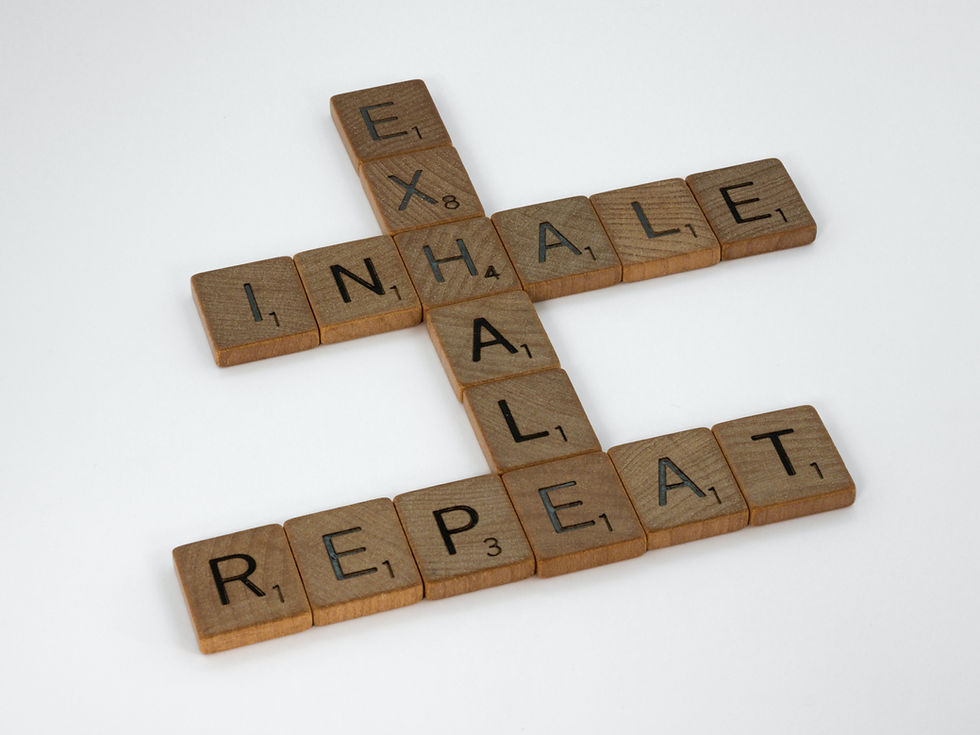
Additional strategies to support nervous system regulation include reducing excessive caffeine intake, prioritizing consistent and restorative sleep, and decluttering one’s physical environment to promote a sense of calm and safety.
From a naturopathic perspective, nervous system balance is foundational to holistic wellbeing. A structured nervous system reset empowers patients to restore equilibrium, improve resilience, and engage life from a place of biological safety rather than chronic stress. When practiced consistently and with intention, these strategies can help transform persistent sympathetic activation into sustained balance and regulation.
If you need personalized care to get your stress levels back in balance, you can work with me or build your own team of holistic practitioners! Reach your optimum health in-person or online. Check out our Get Started page to learn how to work with us!
Author: Dr. Stephanie Hendershot, ND
Citations:
Kurhaluk N, Kołodziejska R, Kamiński P, Tkaczenko H. Integrative Neuroimmune Role of the Parasympathetic Nervous System, Vagus Nerve and Gut Microbiota in Stress Modulation: A Narrative Review. International Journal of Molecular Sciences. 2025; 26(23):11706. https://doi.org/10.3390/ijms262311706
Breit S, Kupferberg A, Rogler G, Hasler G. Vagus Nerve as Modulator of the Brain-Gut Axis in Psychiatric and Inflammatory Disorders. Front Psychiatry. 2018 Mar 13;9:44. doi: 10.3389/fpsyt.2018.00044. PMID: 29593576; PMCID: PMC5859128.
Magnon V, Dutheil F, Vallet GT. Benefits from one session of deep and slow breathing on vagal tone and anxiety in young and older adults. Sci Rep. 2021 Sep 29;11(1):19267. doi: 10.1038/s41598-021-98736-9. PMID: 34588511; PMCID: PMC8481564.
Disclaimer: This information is generalized and intended for educational purposes only. Due to potential individual contraindications, please see your primary care provider before implementing any strategies in these posts.


