Heart Health: How Vitamins and Minerals Support Your Cardiovascular System

Heart health can feel like a serious topic, and it is, but taking care of your cardiovascular system does not have to be complicated. Along with exercise and balanced meals, certain vitamins and minerals help keep your blood vessels flexible, your blood pressure steady, and your cholesterol levels in a healthy range. Think of these nutrients as part of your heart’s maintenance team, working behind the scenes to keep everything running smoothly.
Sodium and Potassium: A Team, Not Just Rivals
Sodium often gets labeled as the “bad guy” in heart health, but the story is more balanced than that. Sodium and potassium are both electrolytes. Your body uses them to control fluid balance, support nerve signals, and help muscles contract, including your heart muscle and the muscles in your blood vessels. Research shows that the balance between sodium and potassium may matter more for blood pressure than the amount of either one alone (D’Elia et al., 2011).
Sodium, Potassium, and Blood Pressure
Blood pressure is not just about how much sodium you eat. It is also about how sodium and potassium work together in your body.
Sodium pulls water into the bloodstream. In large amounts, this can increase blood volume and raise blood pressure.
Potassium helps relax the walls of blood vessels and helps the kidneys get rid of extra sodium in the urine. This can lower pressure inside the vessels.
Large reviews of many studies show that higher potassium intake is linked with modest reductions in both systolic and diastolic blood pressure, especially in people with high blood pressure. These benefits are stronger when the sodium to potassium ratio in the diet improves, meaning more potassium compared to sodium (D’Elia et al., 2011).
So instead of thinking of sodium as simply bad, it helps to think about the balance between sodium and potassium. Diets that include plenty of potassium rich foods are linked with lower risk of high blood pressure and cardiovascular disease.
What About Too Little Sodium
While high sodium intake can raise blood pressure in many people, very low sodium intake is not always ideal either. Sodium is still an essential nutrient.
In some people, especially those who are very active or who sweat a lot, very low sodium intake can contribute to dizziness or lightheadedness. Sodium also helps regulate fluid balance. When sodium intake is extremely low and potassium intake is high, some people may notice fluid shifts or swelling. This does not mean most people need large amounts of sodium, but it does show that the goal is balance, not elimination.
For blood pressure support, increasing potassium intake and improving the sodium to potassium ratio is often more helpful than focusing on sodium alone (D’Elia et al., 2011).

Omega 3 Fatty Acids: Friendly Fats for the Heart
Omega 3 fats, found in fish like salmon and mackerel as well as flax seeds and walnuts, are well known for their heart benefits. Meta analyses of randomized controlled trials show that omega 3 supplementation can lower triglycerides and may also lead to small reductions in blood pressure (Hosseini et al., 2023; Zheng et al., 2024).
Aiming to eat fatty fish two to three times per week is a practical way to support heart health. Supplements may help some people, but it is best to discuss them with a healthcare provider.
Coenzyme Q10: Energy and Antioxidant Support for the Heart
CoQ10 is not a vitamin or mineral, but it is essential for how your cells make energy. Every cell in your body uses CoQ10 to help turn food into usable energy, and the heart needs a constant supply because it never gets to rest. Without enough CoQ10, heart cells may not produce energy as efficiently.
CoQ10 also acts as an antioxidant. Antioxidants help protect cells from damage caused by oxidative stress, which can affect the lining of blood vessels over time. By helping reduce this stress, CoQ10 may support healthy blood vessel function and overall cardiovascular health (Karimi et al., 2025).
Calcium and Magnesium: More Than Bone Builders
Calcium and magnesium are best known for bone health, but they also support healthy blood pressure. Magnesium in particular has been shown in meta analyses to produce small but meaningful reductions in blood pressure in some groups (Zheng et al., 2024).
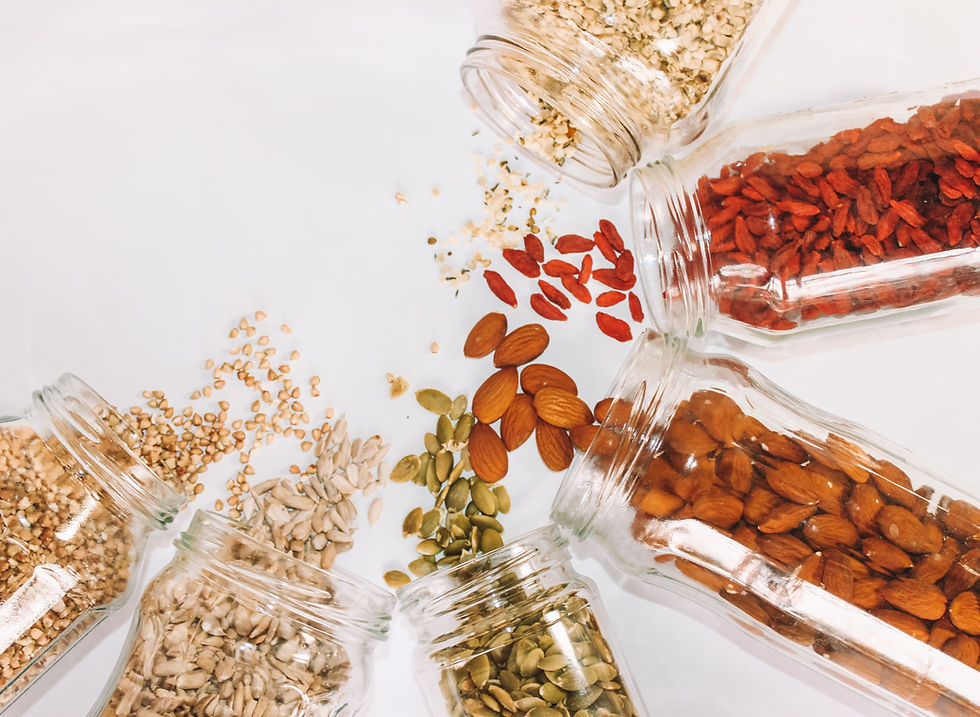
Foods like leafy greens, nuts, seeds, beans, dairy products, and fortified plant milks provide these minerals along with other heart healthy nutrients.
Stress: The Silent Strain on the Heart
Stress is not just a mental or emotional issue. It has physical effects on the heart and blood vessels. Stress hormones like cortisol and adrenaline can raise blood pressure and make the heart work harder.
Simple habits can help lower this strain. Regular movement, even short walks, can help. Deep breathing, mindfulness, and getting seven to nine hours of sleep per night also support heart health. Your heart does a lot for you, so helping it relax once in a while is only fair.
Quick Heart Health Tips
Focus on adding potassium rich foods like fruits, vegetables (especially potatoes), beans, and dairy.
Include omega 3 rich fish a couple of times per week.
Choose whole foods that provide magnesium and calcium, such as leafy greens, nuts, seeds, and legumes.
Manage stress with daily movement, relaxation techniques, and good sleep.
Talk with a healthcare provider before starting high dose supplements, always!
For personalized care, you can work with me or build your own team of holistic practitioners! Reach your optimum health in-person or online. Check out our Get Started page to learn how to work with us!
Author: Elena DiPerri CNS, LN
References
D’Elia, L., Barba, G., Cappuccio, F. P., & Strazzullo, P. (2011). Potassium intake, stroke, and cardiovascular disease: A meta analysis of prospective studies. Journal of the American College of Cardiology, 57(10), 1210–1219.
Hosseini, B., et al. (2023). Effects of omega 3 fatty acids on blood pressure: A systematic review and meta analysis of randomized controlled trials. Journal of Clinical Lipidology.
Karimi, M., et al. (2025). The effects of coenzyme Q10 supplementation on blood pressure: A systematic review and meta analysis. Advances in Nutrition.
Zheng, J., et al. (2024). Effects of nutraceuticals and minerals on blood pressure: A systematic review and meta analysis. Nutrients.
Disclaimer: This information is generalized and intended for educational purposes only. Due to potential individual contraindications, please see your primary care provider before implementing any strategies in these posts.